Sewing Machine Embroidery Design Review
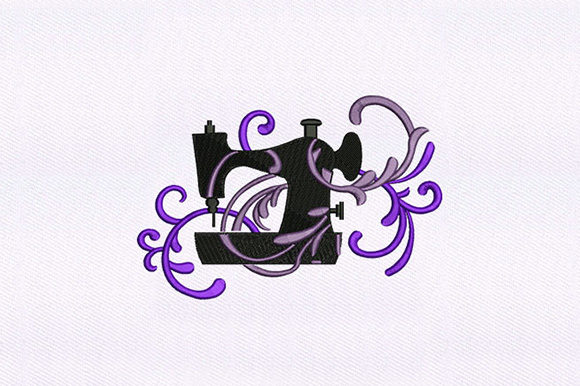
As an experienced embroidery designer, I've had the chance to review a wide range of machine embroidery designs, and the Sewing Machine design stands out for its versatility and adaptability in small business merch. This design isn't just about adding a decorative element; it's about reinforcing brand identity through embroidered patches, uniforms, and custom apparel that speak volumes about your business.
First Impressions: A Professional Touch with a Friendly Edge
The Sewing Machine design immediately gives off a sense of professionalism, but there's also a friendly and approachable feel to it. It doesn't come across as overly technical or rigid, which makes it ideal for businesses that want to maintain a warm, inviting brand image. The name itself suggests functionality, and the design aligns perfectly with that expectation—clean lines, minimal clutter, and a focus on clarity.
This is not a flashy or overly ornate design. Instead, it feels like a premium yet accessible option that can be adapted to various industries, from a local bakery to a handmade craft shop. Its simplicity allows it to blend well with both modern and classic branding styles, making it a great fit for a variety of small business merch applications.
Real Business Use: Where Sewing Machine Shines
When considering embroidered patches for staff uniforms or branded merchandise, the Sewing Machine design offers a clean and professional look that can be easily customized. Whether you're looking to add a subtle cap embroidery detail or create a bold tote bag design, this design maintains its integrity across different sizes and placements.
For a boutique or creative studio, using the Sewing Machine design on aprons or product packaging accents can reinforce a sense of craftsmanship and attention to detail. Its adaptability also makes it suitable for custom apparel projects, such as work shirts or event merch, where a consistent visual identity is crucial.
One of the best features of this design is how it works with digital embroidery files. With support for multiple file formats, including DST, PES, and others, it ensures compatibility with most commercial embroidery machines. This means you can confidently use it for commercial embroidery projects without worrying about format limitations.
Cautions and Considerations for Small Patch Sizes and Curved Surfaces
While the Sewing Machine design is versatile, it’s important to consider where it should be used carefully. For instance, when applying it to small patch sizes or cap fronts, the details might become less visible or lose their impact. In these cases, testing the design at smaller scales and ensuring proper thread color contrast is essential.
Additionally, when working with curved surfaces or textured fabric, the stitch density and placement need careful attention. Using the right stabilizer and testing the design on real fabric before full production can prevent issues related to puckering or distortion.
High stitch density areas may also require extra care, especially if the design will be subject to frequent washing. Ensuring the hoop size is appropriate for the design and fabric type will help achieve the best results.
Brand Identity and Customer Engagement
Embroidery is more than just decoration—it's a powerful tool for building brand identity. The Sewing Machine design brings a sense of reliability and precision to your handmade product or small business merch. When customers see your logo or brand mark on a custom apparel item, it reinforces trust and recognition.
Using this design consistently across design assets, such as printable mockups or product packaging accents, helps maintain visual consistency and enhances buyer engagement. It's a subtle but effective way to elevate the perceived value of your products and services.
Practical Embroidery Designer Notes
Before finalizing the use of the Sewing Machine design for any commercial embroidery project, here are a few practical tips:
- Test in black and white first to ensure the design remains legible and impactful without color.
- Check small patch size performance to avoid losing key details when scaling down.
- Review thread color contrast to ensure visibility on different fabric colors.
- Inspect spacing and adjust if needed for better stitch flow.
- Confirm hoop size to avoid unnecessary adjustments during production.
- Test on real fabric to identify potential issues with texture or stretch.
- Use proper stabilizer to prevent puckering or shifting during stitching.
- Create a printable mockup for client approval before finalizing.
- Compare beside other design assets to ensure alignment with your brand visuals.
- Confirm commercial licensing before using for business purposes.
The Sewing Machine design is a solid choice for small business owners and embroidery shops looking to incorporate a functional and professional look into their branded merchandise. Whether it's for apron embroidery, cap embroidery, or tote bag design, this design delivers a consistent and recognizable presence that supports your brand's message and mission.
With the right preparation and attention to detail, the Sewing Machine can become a valuable asset in your custom apparel and small business merch offerings. As always, testing and reviewing the design thoroughly before full production is key to achieving the best possible finished product.