Lace Corner Embroidery Review
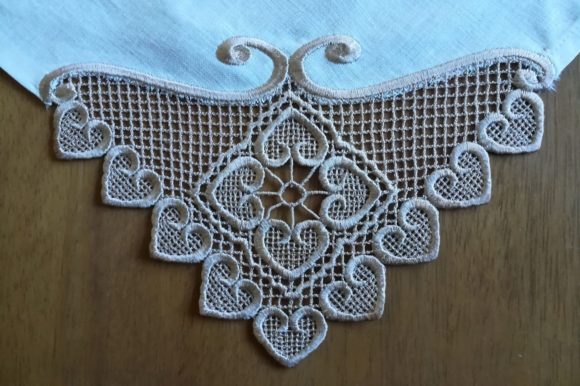
As an experienced embroidery designer, I’ve had the chance to explore a variety of machine embroidery designs, but Lace Corner stands out for its versatility and subtle elegance. While it’s originally intended for table linen as a feature corner, I found myself imagining how it could elevate boutique apparel and small clothing brands with minimal effort and maximum impact.
First Impressions: A Delicate Yet Versatile Design
Lace Corner has a soft, flowing visual personality that feels both classic and contemporary. The design carries a feminine and playful mood, making it suitable for a range of styles from casual to slightly refined. It’s not overly detailed, which makes it ideal for those who want to add texture without overwhelming the garment. The stitching looks premium, and the delicate lines suggest it would work well on lightweight or natural fabrics like linen, cotton, or even stretchy knits.
It doesn’t scream boldness, but it does whisper sophistication. This is a design that can be used sparingly or repeated in a pattern to create a cohesive look across a collection.
Apparel Applications: From Sweatshirts to Tote Bags
I imagined using Lace Corner on a range of garments and accessories, including neutral sweatshirts, pastel hoodies, dark apparel, oversized garments, t-shirts, denim jackets, tote bags, and cozy seasonal outfits. On a light gray hoodie, the lace adds a touch of whimsy that balances the simplicity of the fabric. Placed on the chest or sleeve, it becomes a subtle signature detail.
For a tote bag, Lace Corner could serve as a decorative accent along the top edge or as a border element. Its placement on curved surfaces like the back of a hoodie or the hem of a t-shirt still holds up well, maintaining its structural integrity and visual appeal.
When considering sweatshirt embroidery, this design offers a great alternative to more traditional logos or monograms. It’s especially effective when paired with a minimalist color palette, allowing the lace to stand out without competing with other elements.
Design Performance Across Materials and Garment Types
Lace Corner performs well on a variety of fabrics, though care should be taken with stretchy materials like fleece or ribbed knit. Using the right stabilizer and hoop size is essential to ensure the design maintains its shape and doesn’t pucker. On dark garments, thread color contrast becomes crucial—opting for white or metallic threads can make the lace pop beautifully.
For commercial embroidery products, it’s important to test Lace Corner on scrap fabric similar to your final garment material before committing to large-scale production. Stitch density and fabric texture also play a role in how the final embroidery file appears. A lighter stitch density may be preferable on thinner fabrics to avoid stiffness.
If you’re an Etsy seller or running a small shop product, this design can help differentiate your boutique brand by adding a unique, handmade feel to your custom apparel.
Strategic Use: Where to Place and What to Avoid
Lace Corner works best in areas where it can be seen but not overdone. For example, placing it on the front of a hoodie near the chest or as a sleeve accent gives it enough visibility without being distracting. However, it’s not ideal for small chest placement or areas with high movement, such as underarms, where it might stretch or wrinkle over time.
Similarly, avoid using it on dense stitch areas or where multiple layers of embroidery are already present. Lace Corner is best suited for single-layer applications where it can breathe and maintain its delicate character.
Brand Identity and Value: Elevating Your Finished Product
Incorporating Lace Corner into your apparel line can enhance your brand identity and increase the perceived value of your finished product. It adds a layer of craftsmanship that appeals to customers looking for unique, handcrafted items. Whether you're selling through printable mockups, social media graphics, or Etsy listings, this design contributes to a professional and consistent visual presentation.
For handmade product sellers or creative entrepreneurs, using Lace Corner can help build buyer trust and customer engagement by showcasing attention to detail and quality in every piece.
Practical Embroidery Designer Notes
Before using Lace Corner in production, take the following steps:
- Test on scrap fabric to see how it behaves on your chosen material.
- Check stabilizer choice to prevent puckering or distortion.
- Review thread color contrast for optimal visibility on different garment colors.
- Confirm hoop size and adjust if necessary to accommodate the design.
- Inspect stitch density and adjust based on fabric thickness and desired outcome.
- Test on similar garment fabric to ensure consistency in appearance.
- Compare placement options to find the most visually appealing location for each garment.
- Check Creative Fabrica product details and licensing before selling finished apparel to ensure compliance.
Lace Corner is a versatile and elegant addition to any machine embroidery design collection. Whether you're designing for commercial embroidery, digital embroidery file use, or personal projects, it's a great option for those looking to add a touch of refinement to their custom apparel offerings.